
COURS DE FONCTION PULMONAIRE
Le programme complet comprend trois modules, chacun composé d’une partie théorique en ligne (7 à 8 vidéos de ± 45 minutes) et d’une session pratique en présentiel. L’ensemble se déroule sur 18 mois pour permettre aux participants de suivre les trois modules durant la fin de leur formation en pneumologie.
Les enseignants sont des spécialistes belges de la fonction pulmonaire, affiliés aux universités suivantes :
- UAntwerpen
- ULB
- UZ Brussel
- UCL
- UGent
- UHasselt
- KULeuven
- UNamur
- UMons
- ULiège
Trois experts assurent la coordination et l’encadrement de ces modules :
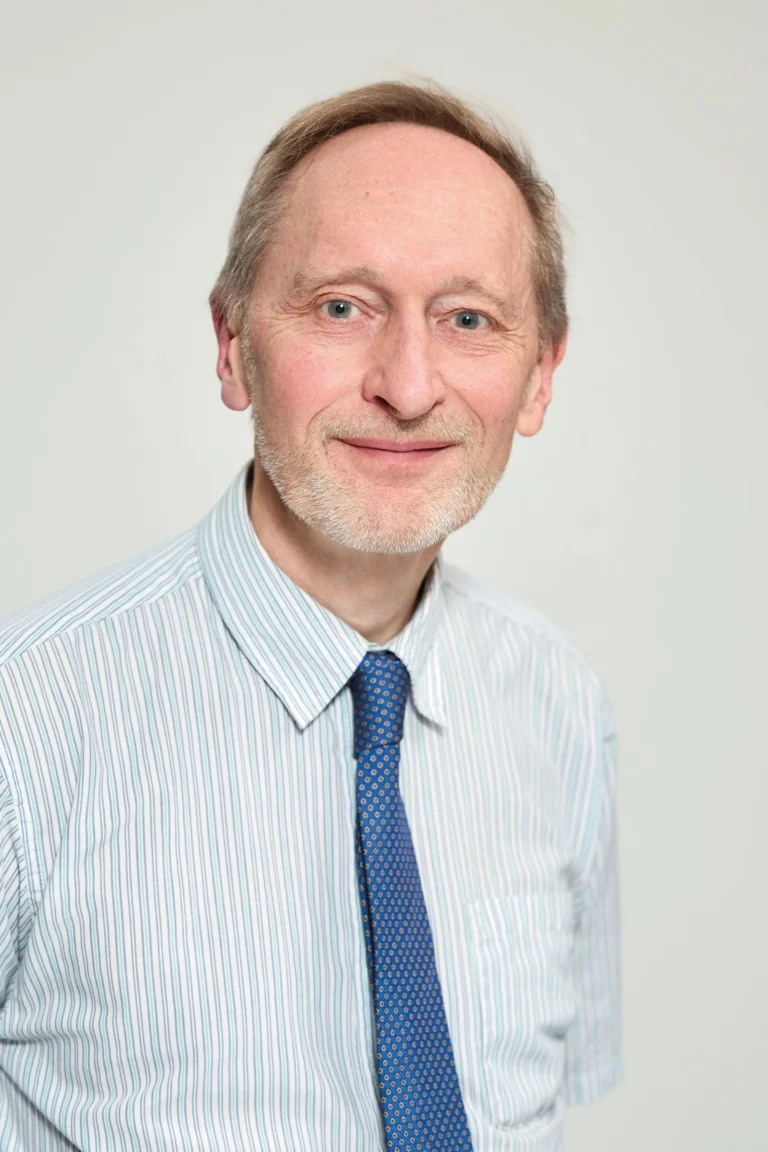
Professeur
Eric Derom
UZ Gent
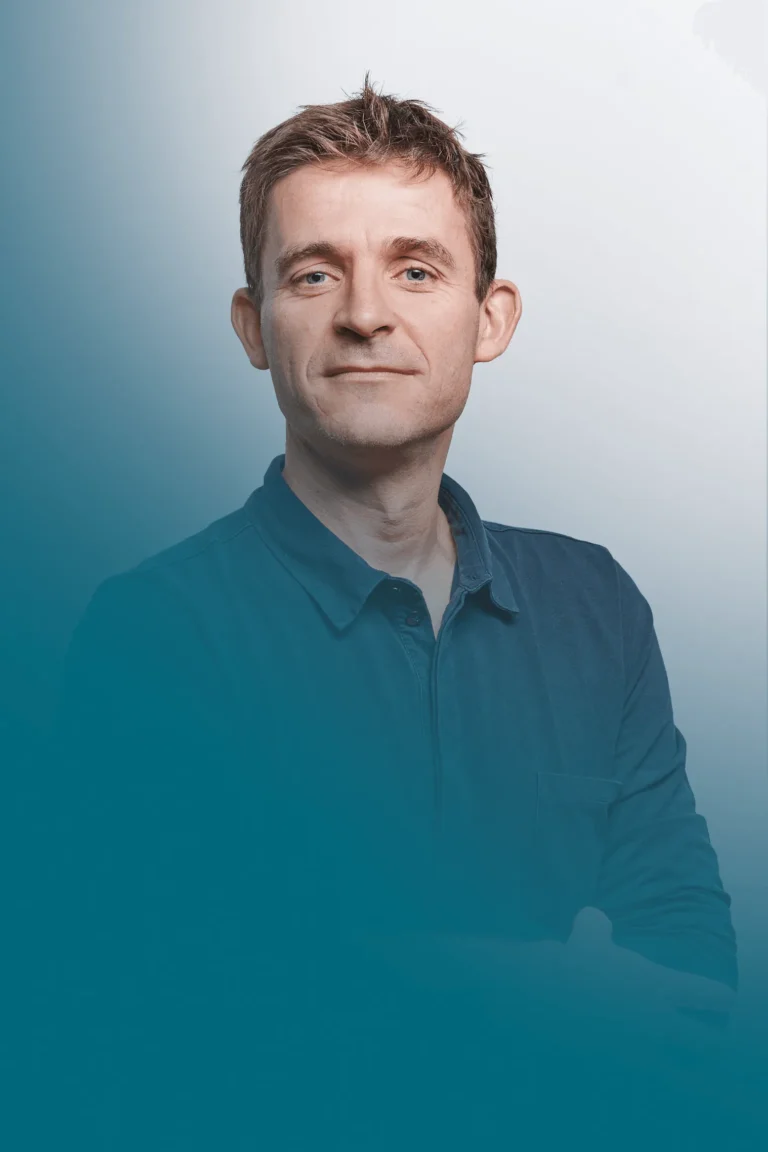
Professeur
Wim Janssens
UZ Leuven
Professeur
Eric Marchand
CHU UCL Namur
MODULE I
- Télécharger le programme du module I
GENERAL TOPICS AND OBSTRUCTIVE DISORDERS
Part 1 : Online presentations with MCQs
1.1 Reference values
1.2 Spirometry – Slow and forced vital capacity manoeuvres – Flow-volume loop
1.3 Bronchoprovocation testing (methacholine, histamine, adenosine, exercise)
1.4 Physiology of static lung volumes, compliance
1.5 Body plethysmography (TGV-Raw)
1.6 FRC measurement using multiple breath techniques : the Helium dilution and the N2 wash-out technique
1.7 Resistance Measurements (oscillometry)
1.8 New techniques to assess airways inflamation
Part 2 : On campus sessions
1.1 Lung function and its role in the diagnosis and follow-up of asthma and COPD
1.2 Reversibility in airways obstruction asthma/COPD (theory)
1.3 Interactive session on the Interpretation of obstructive disorders. Cases with asthma vs. COPD
1.4 How to organise a pulmonary function lab – Quality control (theory)
1.5 How to write a good protocol – automated protocols (theory)
1.6 Case series
MODULE II
- Télécharger le programme du module II
RESTRICTIVE DISORDERS, GAS EXCHANGE, RESPIRATORY MUSCLE, HYPERVENTILATION, BLOOD GASES
Part 1 : Online presentations with MCQs
2.1 Diffusion Capacity of the lung
2.2 Gas exchange, hypoxemia (pump and lung failure) and blood gases
2.3 Assessment of respiratory muscle function
2.4 Functional evaluation in pulmonary circulation
2.5 External factors and pulmonary function
2.6 Neuropsychological assessment of dyspnoea
2.7 Hyperventilation syndrome
Part 2 : On campus sessions
2.1 Restrictive syndromes, assessment and longitudinal follow-up (theory)
2.2 Are your lungs fit to dive ?
2.3 Restriction DD parenchymal vs. thoracic wall vs. neuromuscular disorders. Cases
2.4 Interpretation of diffusion disorders, gas exchange. Cases
2.5 Fit to dive. Cases
2.6 Shunt calculation
2.7 Fit to fly test
2.8 Oxygen therapy and convention
2.9 Cases
MODULE III
- Télécharger le programme du module III
SLEEP AND EXERCISE TESTING
Part 1 : Online presentations with MCQs
3.1 Breathing and sleep: from physiology to pathophysiology (of obstructive sleep apnoea, central sleep apnoea and sleep hypoventilation)
3.2 Scoring sleep breathing abnormalities using polysomnography – polygraphy
3.3 Multidisciplinary approach of central sleep apnoea and sleep hypoventilation due to neuromuscular disease and heart failure
3.4 Exercise physiology : Cardiovascular and ventilatory response to exercise
3.5 Exercise pathophysiology : exercise limiting factors
3.6 Functional capacity and physical activity
3.7 Preoperative lung function in lung resection and general anaesthesia
Part 2 : On campus sessions
3.1 Exercise testing – endurance testing – physical activity : practicalities (theory)
3.2 Practical interpretation of exercise testing – interpretation algorithms
3.3 Exercise testing. Cases
3.4 Therapeutic choices for sleep disturbances
3.5 CPAP, APAP, ASV, BiPAP, NIV, … : what is this all about ?
3.6 Interactive workshop with real life polysomnography (cases)
Rejoignez la BeRS Academy pour développer vos compétences et contribuer à l’excellence des soins respiratoires en Belgique !
L’accès à la plateforme est réservé aux membres actifs de la BeRS