
LUNG FUNCTION COURSE
The full programme comprises three modules, each consisting of an online theory component (7 to 8 videos of approximately 45 minutes each) and a face-to-face practical session. The programme runs over 18 months to enable participants to complete the three modules towards the end of their training in respiratory medicine.
The lecturers are Belgian specialists in pulmonary function, affiliated with the following universities:
- UAntwerpen
- ULB
- UZ Brussels
- UCL
- UGent
- UHasselt
- KULeuven
- UNamur
- UMons
- ULiège
Three experts are responsible for coordinating and supervising these modules:
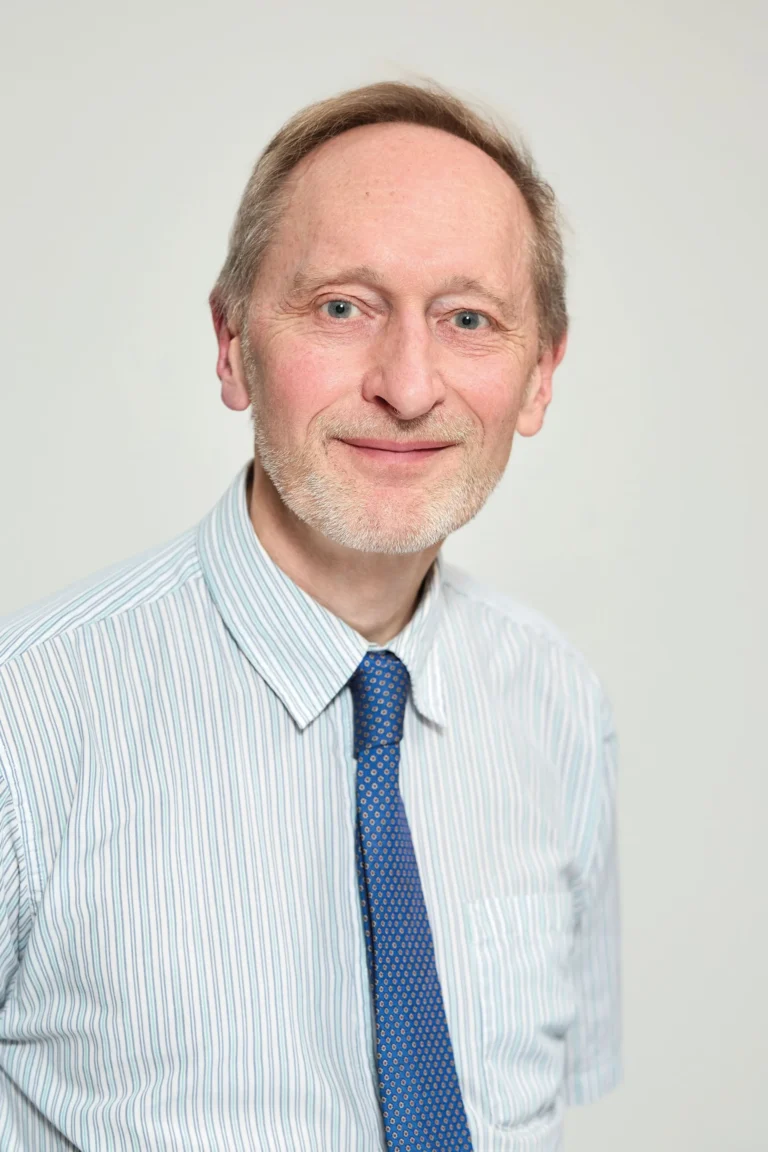
Professor
Eric Derom
UZ Gent
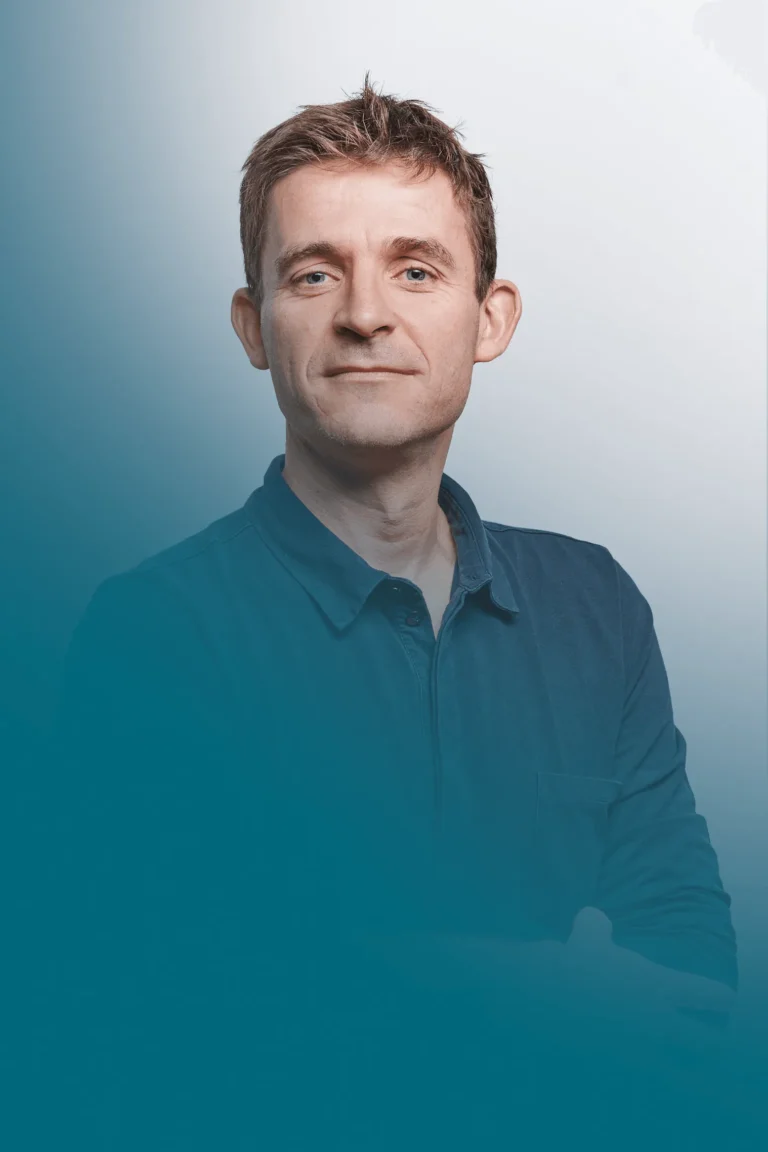
Professor
Wim Janssens
UZ Leuven
Professor
Eric Marchand
UCL Namur University Hospital
MODULE I
- Download the Module I syllabus
GENERAL TOPICS AND OBSTRUCTIVE DISORDERS
Part 1: Online presentations with multiple-choice questions
1.1 Reference values
1.2 Spirometry – Slow and forced vital capacity manoeuvres – Flow-volume loop
1.3 Bronchoprovocation testing (methacholine, histamine, adenosine, exercise)
1.4 Physiology of static lung volumes, compliance
1.5 Body plethysmography (TGV-Raw)
1.6 FRC measurement using multiple-breath techniques: the helium dilution and the N₂ wash-out techniques
1.7 Resistance measurements (oscillometry)
1.8 New techniques for assessing airway inflammation
Part 2: On-campus sessions
1.1 Lung function and its role in the diagnosis and management of asthma and COPD
1.2 Reversibility of airway obstruction in asthma and COPD (theory)
1.3 Interactive session on the interpretation of obstructive disorders. Cases of asthma versus COPD
1.4 How to organise a pulmonary function laboratory – Quality control (theory)
1.5 How to write a good protocol – automated protocols (theory)
1.6 Case series
MODULE II
- Download the Module II programme
RESTRICTIVE DISORDERS, GAS EXCHANGE, RESPIRATORY MUSCLES, HYPERVENTILATION, BLOOD GASES
Part 1: Online presentations with multiple-choice questions
2.1 Diffusion capacity of the lung
2.2 Gas exchange, hypoxaemia (heart and lung failure) and blood gases
2.3 Assessment of respiratory muscle function
2.4 Functional evaluation of the pulmonary circulation
2.5 External factors and pulmonary function
2.6 Neuropsychological assessment of dyspnoea
2.7 Hyperventilation syndrome
Part 2: On-campus sessions
2.1 Restrictive syndromes, assessment and longitudinal follow-up (theory)
2.2 Are your lungs fit to dive?
2.3 Restriction: parenchymal vs. thoracic wall vs. neuromuscular disorders. Case
studies 2.4 Interpretation of diffusion disorders and gas exchange. Case
studies 2.5 Fit to dive. Case
studies 2.6 Shunt calculation
2.7 Fit to fly test
2.8 Oxygen therapy and conventions
2.9 Case studies
MODULE III
- Download the Module III programme
SLEEP AND EXERCISE TESTING
Part 1: Online presentations with multiple-choice questions
3.1 Breathing and sleep: from physiology to pathophysiology (of obstructive sleep apnoea, central sleep apnoea and sleep hypoventilation)
3.2 Scoring sleep-related breathing abnormalities using polysomnography – polygraphy
3.3 A multidisciplinary approach to central sleep apnoea and sleep hypoventilation caused by neuromuscular disease and heart failure
3.4 Exercise physiology: Cardiovascular and ventilatory response to exercise
3.5 Exercise pathophysiology: factors
limiting exercise 3.6 Functional capacity and physical activity
3.7 Pre-operative lung function in lung resection and general anaesthesia
Part 2: On-campus sessions
3.1 Exercise testing – endurance testing – physical activity: practical considerations (theory)
3.2 Practical interpretation of exercise testing – interpretation algorithms
3.3 Exercise testing. Case
studies 3.4 Treatment options for sleep disorders
3.5 CPAP, APAP, ASV, BiPAP, NIV, …: what are they all about?
3.6 Interactive workshop with real-life polysomnography (case studies)
Join the BeRS Academy to develop your skills and contribute to excellence in respiratory care in Belgium!
Access to the platform is restricted to active members of the BeRS