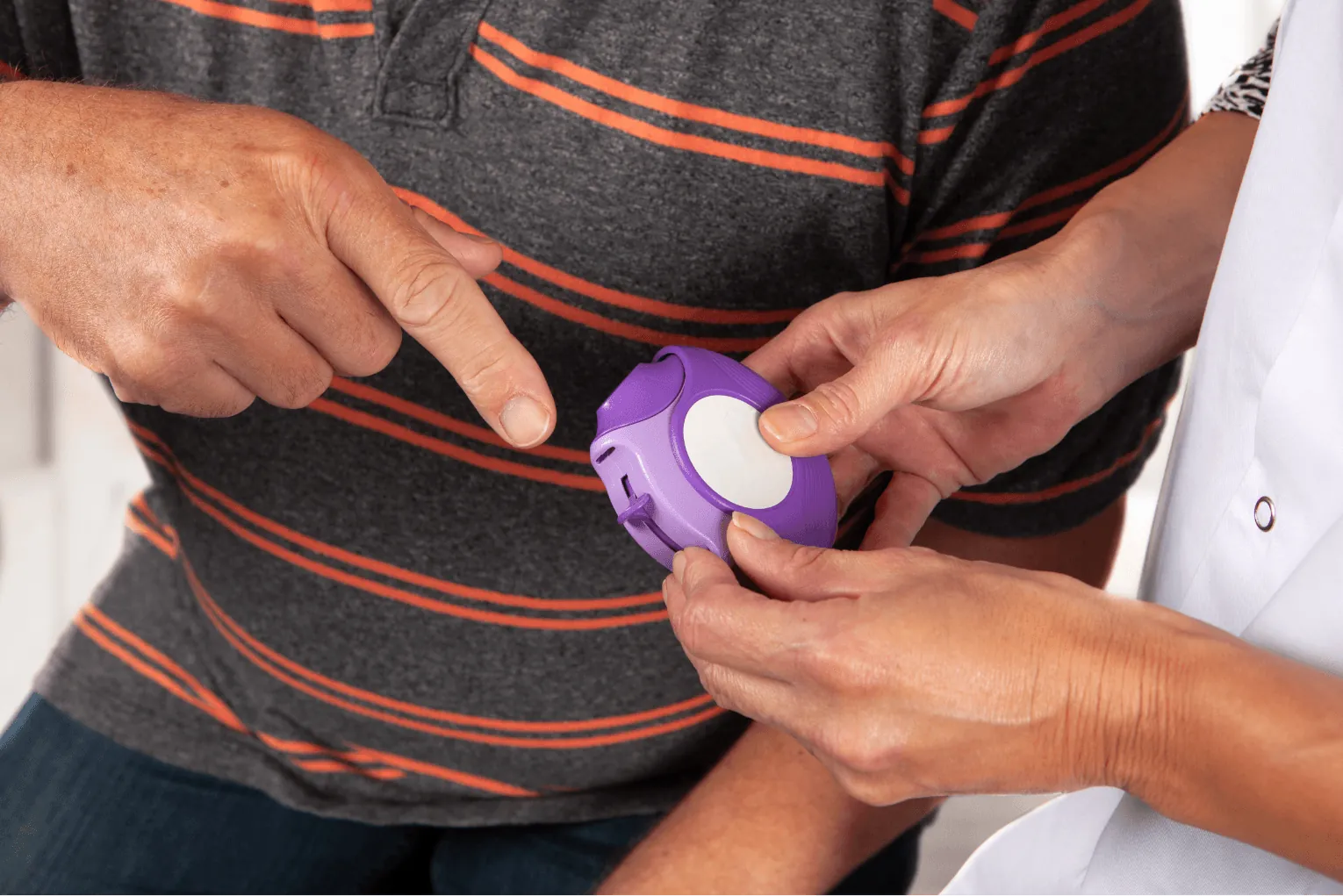
To mark World Asthma Day – Tuesday 6 May 2025, the Asthma and Allergy Association (asbl), in collaboration with the Belgian Respiratory Society (BeRS), wishes to highlight the importance of using asthma medicines correctly.
Asthma is a common chronic lung condition, affecting around 8 per cent of adults and 15 per cent of children in Belgium. Treatment mainly involves the use of medication via inhalers (often called ‘puffs’), which generally provide good control of symptoms when used correctly.
However, the available data show that over 70 per cent of patients do not take their medication as prescribed. This compromises the effectiveness of the medication and can lead to poor disease control, an increase in symptoms, a higher risk of attacks and a deterioration in quality of life.
To ensure the treatment is effective and to minimise side effects, it is essential to use inhalers correctly.
Here are a few key tips:
1. Follow your doctor’s instructions
- Take your medication as prescribed.
- Please follow the recommended dose and timetable.
2. Understand the difference between the various types of medication
- Main treatment: Medicines to be taken daily to control symptoms and prevent flare-ups. They reduce inflammation.
- Relief medication: used in the event of sudden breathing difficulties or an attack, it provides immediate relief. It quickly opens up the airways. Some long-term inhalers can also be used in an emergency, subject to medical advice.
3. Use your inhaler correctly
If you are using a metered-dose inhaler (puff):
- Remove the cap and shake the inhaler.
- Sit up straight, with your head tilted slightly backwards.
- Breathe out completely before use.
- Whilst you are pressing the button, breathe in slowly and deeply.
- Hold your breath for 10 seconds.
- Breathe out gently through your mouth.
- Repeat if necessary (wait 30 seconds between doses).
- Important: use an inhalation chamber (spacer) to help the medicine reach your lungs more effectively, especially if you find it difficult to use the inhaler correctly.
- Put the protective cap back on.
- Rinse your mouth and brush your teeth after use.
If you are using a dry powder inhaler:
- Follow the instructions specific to your device.
- Same position (sitting, head tilted).
- Breathe out completely before use.
- Place the mouthpiece in your mouth and take a deep, strong breath.
- Hold your breath for 10 seconds.
- Breathe out gently.
- Repeat if necessary (wait 30 seconds between doses).
- Rinse your mouth and brush your teeth after use.
4. Regular checks
Make regular appointments with your doctor to adjust your treatment if necessary.
5. Be aware of any side effects
Please report any side effects to your doctor.
6. Keep your medicine to hand
Always carry your emergency inhaler with you in case of an attack.
7. Follow a personalised action plan
Work with your doctor to find out what to do if your symptoms get worse.
8. Avoid triggers
Identify and avoid factors that make your asthma worse: allergens, smoke, strong odours, etc.
By following this advice, you can maximise the effectiveness of your treatment and keep your symptoms better under control.
If you would like to find out more about the correct use of asthma medicines, please visit our ‘My Puff’ website ’ ([www.mypuff.be](https://www.mypuff.be)) and/or download the ‘My Puff’ app onto your smartphone.
If you have any questions about asthma and/or allergies, you can contact the patient organisation ‘Astma-en Allergiekoepel’ (www.astma-en-allergiekoepel.be – freephone number 0800 84321 – info@astma-en-allergiekoepel.be).
- Publication – XXXX.pdf